Our product
What’s Hollow Section?
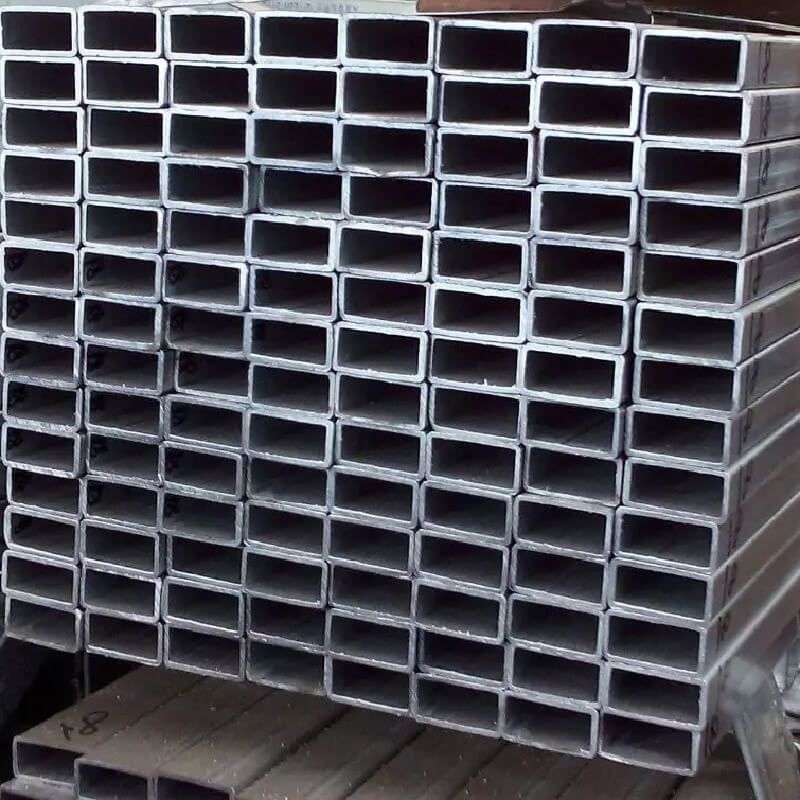
A Hollow Section, or Hollow Structural Section (HSS), is a type of metal profile with a hollow, tubular cross-section. Unlike solid steel bars or beams, these sections provide a high strength-to-weight ratio, making them a preferred choice for structural frameworks.
While they are essentially pipes, in the context of construction and manufacturing, “Hollow Section” refers specifically to members used for structural support, architectural features, and mechanical applications.
Types of Hollow Structural Sections
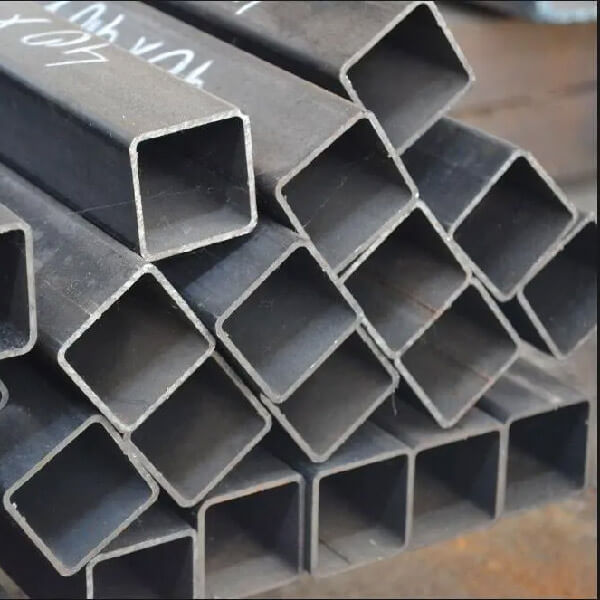
Square Hollow Section (SHS)
Known for its flat surfaces, SHS is easy to weld and join. It offers a balance between the aesthetics of CHS and the functional strength of RHS.
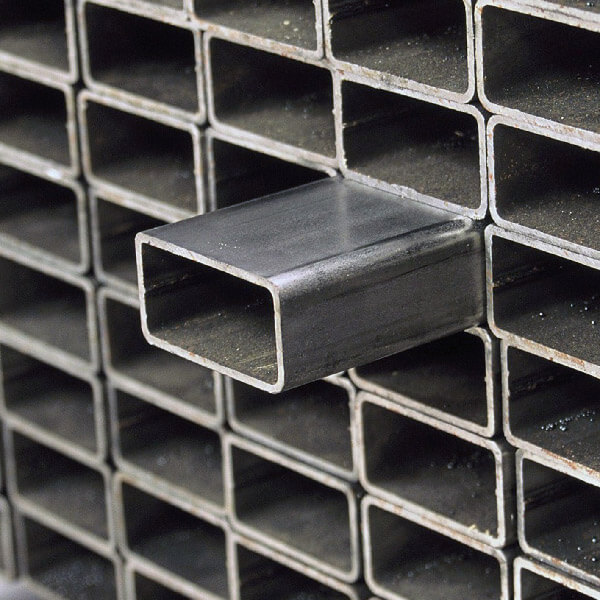
Rectangular Hollow Section (RHS)
This is the popular choice for structural applications where members are subjected to bending in one plane. Its flat sides make it highly efficient for joining to other flat surfaces.
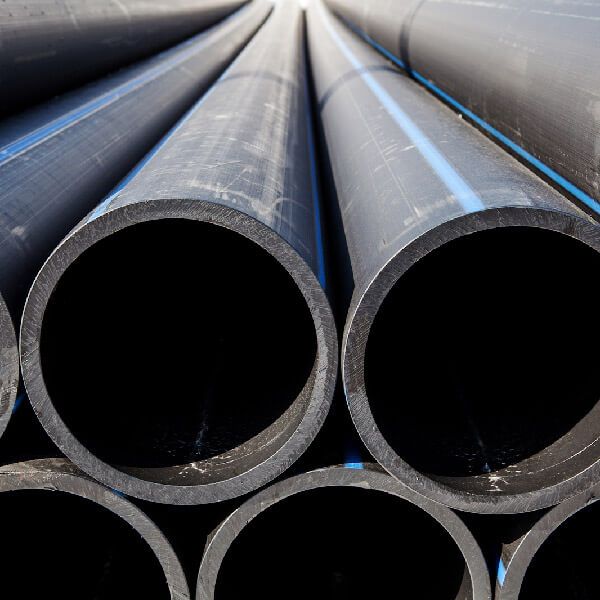
Circular Hollow Section (CHS)
The original form of HSS. Its symmetrical shape provides excellent resistance to wind and water flow, making it ideal for bridges, towers, and aesthetic architectural columns.
Advantages of Using Hollow Section Steel (HSS)
Hollow sections offer several competitive advantages over traditional open sections like I-beams or C-channels:
- Superior Torsional Resistance: Due to their closed-loop shape, HSS are significantly better at resisting “twisting” forces than open-section steel.
- Weight Efficiency: They provide the same structural integrity as solid sections while using less steel, reducing overall project costs and foundation loads.
- Aesthetic Appeal: The clean lines and smooth profiles of HSS are highly valued by architects for exposed steelwork.
- Ease of Maintenance: With less surface area and no sharp “pockets” where moisture can collect, hollow sections are easier to paint, coat, and protect against corrosion.
Specifications of Hollow Structural Sections
Our Tianjin facility produces HSS according to international standards to ensure your projects meet global safety and quality benchmarks.
| Name | Hollow Section |
| Standard | API, ASTM, BS, EN, JIS, DIN… |
| Shape | Round, Square, Rectangular |
| Steel Material | Carbon steel, Alloy steel, Stainless steel, Ductile Iron |
| Length | 3m, 5.8m, 6m, 11.8m, 12m or customized |
| Wall Thickness | 1.24mm -59.54mm or customized |
| Tolerance | As per a different standard |
| Manufacturing Process | ERW, LSAW, SSAW, SMLS |
| Pipe Ends | Plain End, Beveled End, Threaded, Grooved |
| Pipe Surface | Varnishing, Oiling, Hot Dip Galvanizing, Pre Galvanized, FBE, 2PP, 3PP, 2PE, 3PE |
| Joint Method | Fitting, Flange, Coupling, Clamp, Pipe Shoulder, Welding |
| Application | Structure, Construction, Oil, Gas, and Water transport, Mining, Sprinkler, Green House |
Advantages of Using Hollow Section Steel (HSS)
Our production line utilizes state-of-the-art technology to ensure precision and durability. The process typically follows these stages:
- Uncoiling & Leveling: High-quality steel coils are unwound and flattened.
- Forming: The steel strip passes through a series of rollers. For CHS, it is rolled into a cylinder. For square and rectangular sections, it is either formed directly or “shaped” from a circular tube.
- Welding: We utilize Electric Resistance Welding (ERW) to create a high-strength longitudinal seam without the need for filler metals.
- Sizing & Cutting: The tube is cooled and passed through sizing rollers to achieve exact dimensions before being cut to the required length.
- Quality Control: Every section undergoes rigorous testing, including ultrasonic seam inspection and dimensional checks, before leaving our warehouse.